
Identity
Too Much Information — Autism Sensory Experience (Preview)
Too Much Information — Autism Sensory Experience (Preview)
A preview from a National Autistic Society video illustrating sensory overload from the perspective of autistic individuals — helps viewers feel what sensory overload can be like.
More Videos
 Video
2:45
Video
2:45
Tom's story for Mental Health Awareness Week
In this first-person story, someone opens up about feeling alone and in crisis — touching on emotion...
 Video
2:45
Video
2:45
Tips for managing stress at work
Quick, practical tactics for stress at work that contributes to fatigue.
 Video
1:00
Video
1:00
What happens when you call Samaritans?
This video explains what happens when you call Samaritans, with volunteers answering common question...
 Video
3:15
Video
3:15
Coping with scary and distressing memories
Coping strategies for distressing trauma memories (flashback-style experiences).
 Video
5:10
Video
5:10
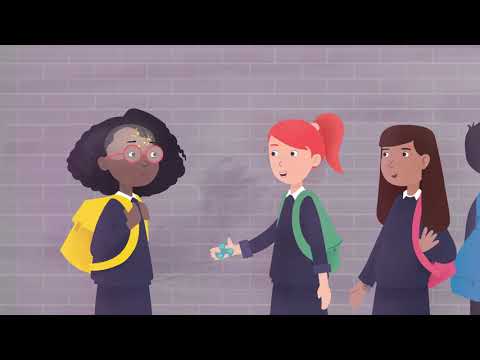
Childhood Trauma and the Brain
Explains how trauma affects the brain
 Video
3:20
Video
3:20
Caseworkers recruited to help Sussex fraud victims
Introduces Victim Support staff assisting people affected by fraud — useful for showing that emotion...
 Video
1:57
Video
1:57
Managing depression at work: Mind mental health training
A work-focused training video that speaks to how mental health can affect performance and coping—use...
 Video
1:15
Video
1:15
Coping with change
Focuses on navigating life and work changes that can disrupt motivation and sense of purpose. Partic...
 Video
Video
World Autism Acceptance Month: At work
A short, real insight into autism in a workplace environment, showing how autistic employees experie...
 Video
Video
‘I Used to Hate Myself’ — You Are Not Alone
A real personal recovery story that conveys hope and self-acceptance — useful for anyone struggling...
 Video
Video
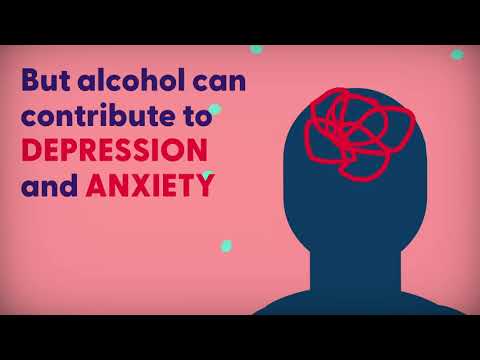
Alcohol and mental health
This short video explains that alcohol is a depressant that can worsen mental health, encouraging pe...
 Video
Video
Sensory Overload
Explains sensory overload.
Related Content
 Article
Addiction & the Workplace
Addiction can have a significant impact on work, from performance and attendance to relationships wi...
Article
Children Leaving Home
When children leave home - whether for university, work, or independence—it marks a profound life tr...
Article
Hidden Health Conditions
Not all health conditions are visible.
Article
Understanding Neurodiversity
Neurodiversity is the idea that human brains are naturally varied - including attention, communicati...
Article
Ending Education or Graduation
Graduation or completing formal education is a milestone that signals both achievement and transitio...
Article
Cultural & Faith-Based Grief Practices
Grief is experienced universally, yet every culture and faith tradition has unique ways of expressin...
Article
Planning for or Facing the Unknown
The unknown can feel unsettling, whether it involves uncertain job prospects, health changes, or oth...
Article
Supporting Others Who Are Grieving
When someone you care about is grieving, you may worry about saying the wrong thing. Your presence m...
Article
Documenting & Reporting Critical Incidents
Accurate documentation and reporting of critical incidents ensures legal compliance, supports invest...
Article
Trauma & Acute Stress Reactions
Exposure to critical incidents can trigger acute stress reactions, which are the body’s natural way...
Article
Raising a Neurodivergent Child
Raising a neurodivergent child involves curiosity, advocacy, and celebration.
Article
Managing Personal & Organisational Security Post-Incident
After a critical incident, personal and organisational security may remain fragile. People may feel...