
Navigating Change
Planning for or Facing the Unknown
The unknown can feel unsettling, whether it involves uncertain job prospects, health changes, or other life events. Humans naturally seek predictability, so facing the unknown often triggers fear and resistance. However, uncertainty also offers space for growth, creativity, and resilience. Learning to plan while embracing flexibility can make uncertainty more manageable.
What It Feels Like
- Emotional: fear, anxiety, excitement, or a mix of emotions
- Relational: strain when uncertainty affects families or partners
- Mental: overthinking, catastrophising, or difficulty focusing
- Physical: tension, disrupted sleep, or fatigue
Everyday Tools & Practical Tips
- Control the controllable: identify what you can influence and act on those areas
- Flexible planning: prepare scenarios but avoid rigid expectations
- Grounding: use mindfulness or breathing to calm anxious thoughts
- Support: share worries with trusted friends or mentors
- Self-care: prioritise healthy routines to strengthen resilience
Longer-Term Approaches
- Growth mindset: view uncertainty as an opportunity for learning and creativity
- Skills: build adaptability and problem-solving to feel more prepared
- Therapy: explore fears about uncertainty and build coping tools
- Community: join groups facing similar challenges for perspective
- EAP: Wellbeing Solutions’ EAP provides confidential support for employees managing uncertain times
When to Seek Professional Help
- Anxiety about uncertainty becomes overwhelming or constant
- Fear prevents decision-making or daily functioning
- Catastrophic thinking dominates your mental space
Moving Forward
The unknown is part of life, but it does not have to mean paralysis. By planning wisely, staying flexible, and drawing on support, you can face uncertainty with greater resilience and hope.
Related Content
 Video
Video
Communicating Grief
Explains complex emotions including guilt after loss.
 Video
Video
Addiction to alcohol: Support from Change Grow Live
Explains how CGL can support people worried about alcohol use and dependence.
 Video
Video
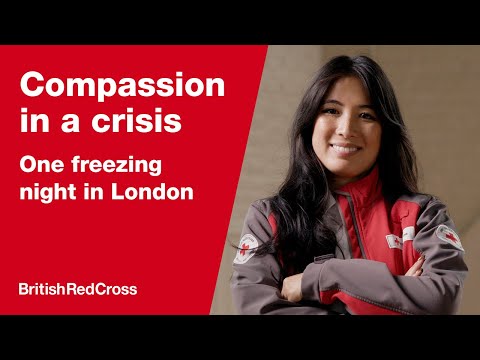
Compassion in a Crisis
Through a story of one freezing night in London, this short film shows how small acts—warmth, clothi...
 Video
Video
Explaining "grief brain" to others (and to yourself)
Normalises confusion, memory issues and emotional overwhelm—often heightened when relationships were...
 Video
Video
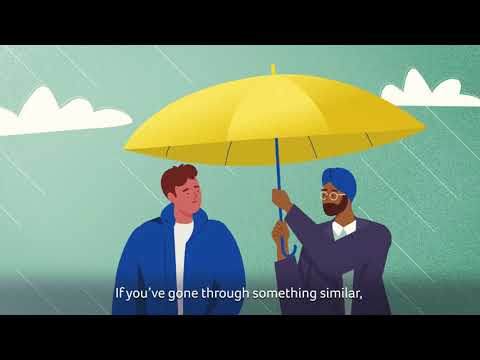
Bereavement At Work
Workplace-focused animation on grief at work and how colleagues/managers can respond supportively.
 Video
Video
Understanding Addiction — Alcohol
Focused on addiction, it can tie it into financial wellbeing by explaining how addiction impacts fin...