
Body & Self-Care
Reconnecting With the Body After Trauma
Trauma often creates disconnection from the body as a protective response. Survivors may feel numb, detached, or uncomfortable in their own skin. Reconnecting with the body after trauma is a gradual process that requires safety, patience, and supportive practices. With time, it is possible to restore a sense of trust, presence, and belonging in the body.
What It Feels Like
Disconnection from the body after trauma may include:
- Numbness: feeling detached from physical sensations or emotions
- Hypervigilance: being overly alert to physical cues or sensations
- Discomfort: struggling with touch, intimacy, or body awareness
- Frustration: wanting to reconnect but feeling blocked by fear or anxiety
Everyday Tools & Practical Tips
Gentle practices to begin reconnecting:
- Grounding: focus on breath, feet on the floor, or gentle stretches to build awareness
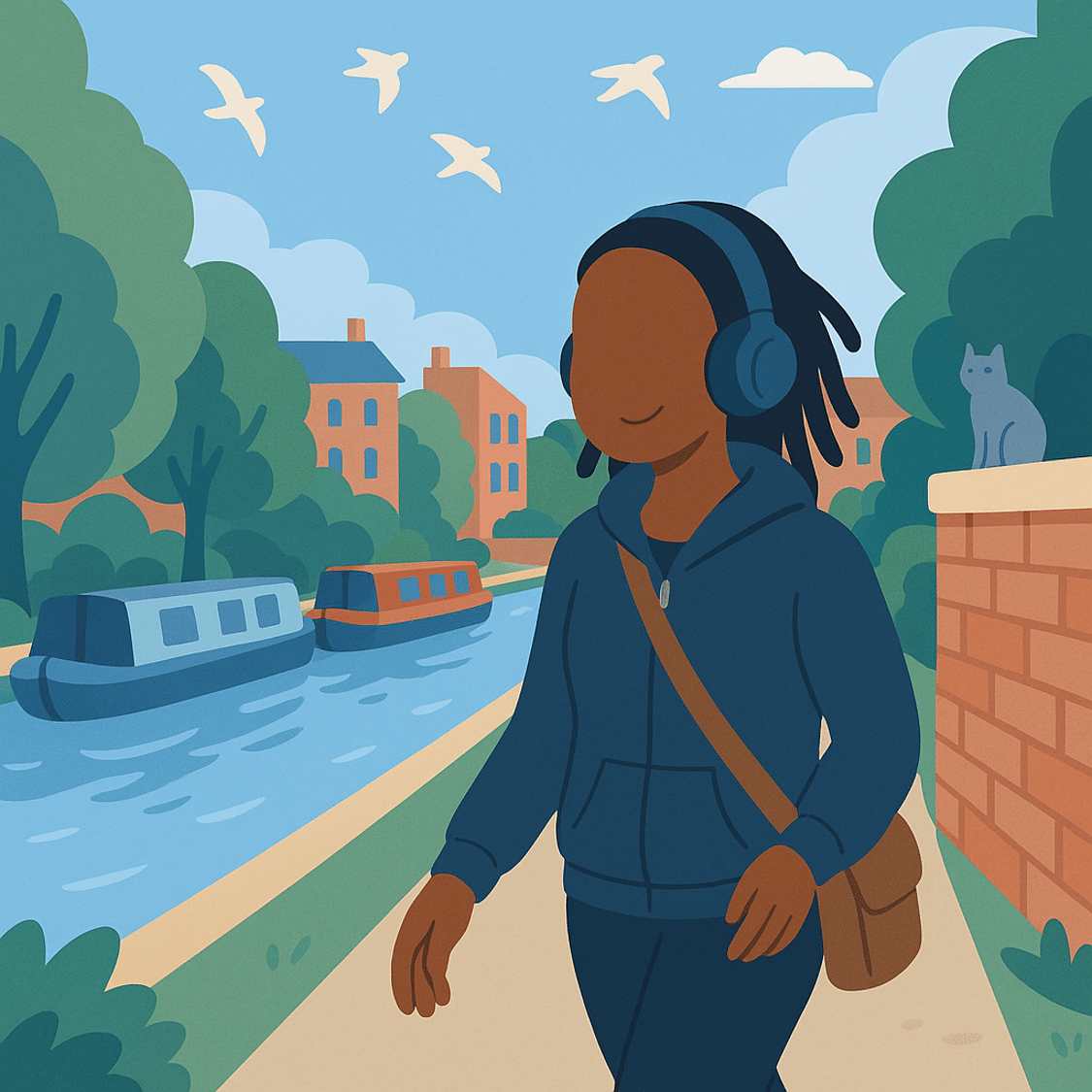
- Movement: try yoga, tai chi, or mindful walking to restore connection gradually
- Sensory care: use touch, textures, or temperature (like warm baths) to reintroduce comfort
- Journalling: reflect on experiences with the body in safe, non-judgmental ways
- Pace: move at your own speed and prioritise safety at every step
Longer-Term Approaches
Strategies to support deeper reconnection:
- Trauma-informed therapy: professional support provides safe guidance through reconnection
- Mind-body integration: practices like somatic experiencing or EMDR address trauma held in the body
- Creative expression: dance, art, or writing can help process trauma through the body
- Community: safe, supportive environments can reduce isolation and foster healing
- Patience: accept that reconnection is gradual and personal – progress looks different for everyone
When to Seek Professional Help
Seek support if:
- Trauma symptoms are overwhelming or persistent
- Disconnection interferes with relationships, intimacy, or daily life
- You feel unsafe attempting reconnection on your own
Moving Forward
Reconnecting with the body after trauma is a journey of courage and patience. With gentle practices, safe support, and compassion, it is possible to restore trust in your body and create a sense of belonging and resilience.
Related Content
 Podcast
Body image – how we think and feel about our bodies
Frances Shilito, a make up artist to the stars and eating disorders advisor discusses her experience...
 Video
Video
Newly diagnosed with Parkinson's
Support for people newly diagnosed.
 Video
Video
How to Stop Racing Thoughts at Night
Eckhart Tolle explains how to manage racing thoughts by shifting attention to breath and bodily awar...
 Video
Video
Emotional Eating - How to Replace Emotional Eating with Emotion Processing and Intuitive Eating
Therapist Emma McAdam explains how to overcome emotional eating by learning to process emotions dire...
 Video
Video
How To Eat For Optimal Energy, According To A Dietitian
Dietitian Tracy Lockwood Beckerman shares foods and eating habits that boost energy throughout the d...
 Video
Video
Garden Routine with Bill Bailey
Adaptable movement routine.