
Movement & Energy
Mental Health Benefits of Movement
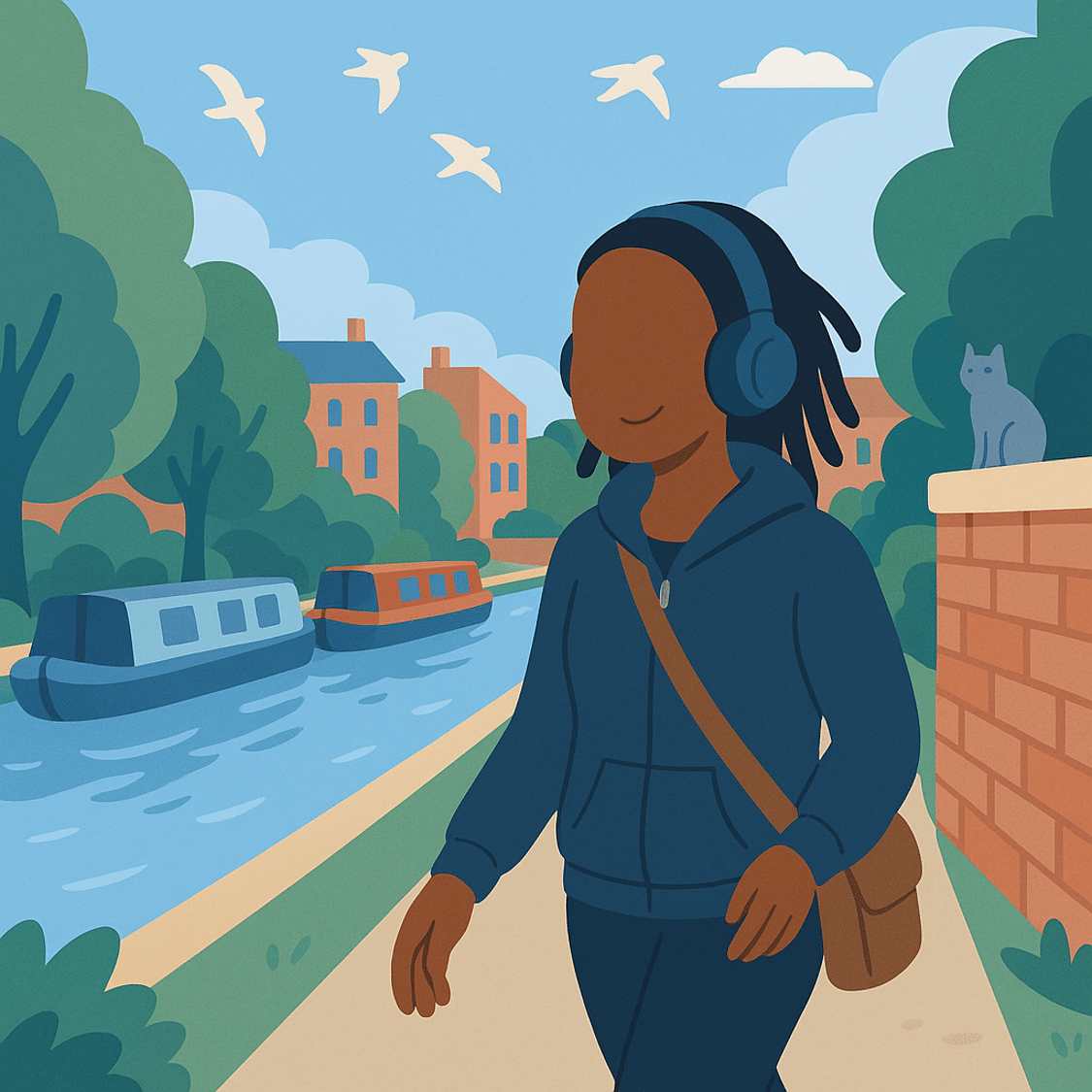
Movement is one of the most powerful tools for supporting mental health. Regular physical activity improves mood, reduces stress, and strengthens resilience. Movement does not have to mean intense workouts – it can include walking, stretching, dancing, gardening, or any activity that gets the body moving. What matters most is consistency and enjoyment.
What It Feels Like
Movement can influence emotional wellbeing in powerful ways:
- Immediate boost: even short bursts of activity can lift mood through endorphins
- Reduced stress: physical activity lowers cortisol levels and helps regulate the nervous system
- Clearer mind: movement improves concentration, memory, and creativity
- Emotional balance: regular activity can reduce symptoms of anxiety and depression
Everyday Tools & Practical Tips
Ways to incorporate movement into daily life:
- Start small: begin with 10 minutes of walking or stretching each day
- Find joy: choose activities you genuinely enjoy, not just what you think you “should” do
- Break it up: movement doesn’t have to be long – short sessions throughout the day add up
- Social movement: walk, dance, or exercise with friends for connection as well as activity
- Mind-body activities: yoga, tai chi, or mindful walking combine relaxation with movement
Longer-Term Approaches
Sustained benefits of movement come from consistency:
- Build routines: make activity part of your daily schedule, like brushing your teeth
- Explore variety: combine strength, cardio, and flexibility to keep it interesting
- Track progress: use journals or apps to notice how activity improves mood over time
- Link with purpose: connect movement to personal goals, like energy for family or stress reduction
- Professional support: physiotherapists, trainers, or therapists can tailor plans to individual needs
When to Seek Professional Help
Seek support if:
- You feel overwhelmed by starting activity due to health, injury, or anxiety
- Low mood or fatigue makes it difficult to begin or sustain movement
- You want safe, guided exercise adapted to your circumstances
Moving Forward
Movement is a simple yet transformative tool for mental health. By making it enjoyable, consistent, and flexible, you can harness the benefits for emotional balance, resilience, and long-term wellbeing.
Related Content
 Podcast
Body image – how we think and feel about our bodies
Frances Shilito, a make up artist to the stars and eating disorders advisor discusses her experience...
 Video
Video
Newly diagnosed with Parkinson's
Support for people newly diagnosed.
 Video
Video
How to Stop Racing Thoughts at Night
Eckhart Tolle explains how to manage racing thoughts by shifting attention to breath and bodily awar...
 Video
Video
Emotional Eating - How to Replace Emotional Eating with Emotion Processing and Intuitive Eating
Therapist Emma McAdam explains how to overcome emotional eating by learning to process emotions dire...
 Video
Video
How To Eat For Optimal Energy, According To A Dietitian
Dietitian Tracy Lockwood Beckerman shares foods and eating habits that boost energy throughout the d...
 Video
Video
Garden Routine with Bill Bailey
Adaptable movement routine.