
Emotional Lows
Low Mood
Everyone experiences low mood from time to time. It may be triggered by stress, changes in circumstances, tiredness, or sometimes it can arise without a clear reason at all. A period of low mood can leave you feeling flat, unmotivated, or disinterested in things you would normally enjoy. While short episodes are a normal part of life, longer or more intense periods of low mood can start to affect daily routines, relationships, and overall wellbeing.
What It Feels Like
Low mood can present in different ways for different people, but there are common signs to look out for:
- Physical signs: fatigue, poor sleep, changes in appetite, or general sluggishness
- Mental signs: difficulty concentrating, forgetfulness, or lack of interest in usual activities
- Emotional signs: sadness, irritability, feeling unmotivated, or a sense of emptiness
Unlike depression, low mood is often temporary and may improve with time or small lifestyle changes. However, if it lingers for weeks or feels overwhelming, it may signal something more significant.
Everyday Tools & Practical Tips
Taking small, manageable steps can often help lift a low mood. These changes may not feel transformative immediately, but they can start to create momentum.
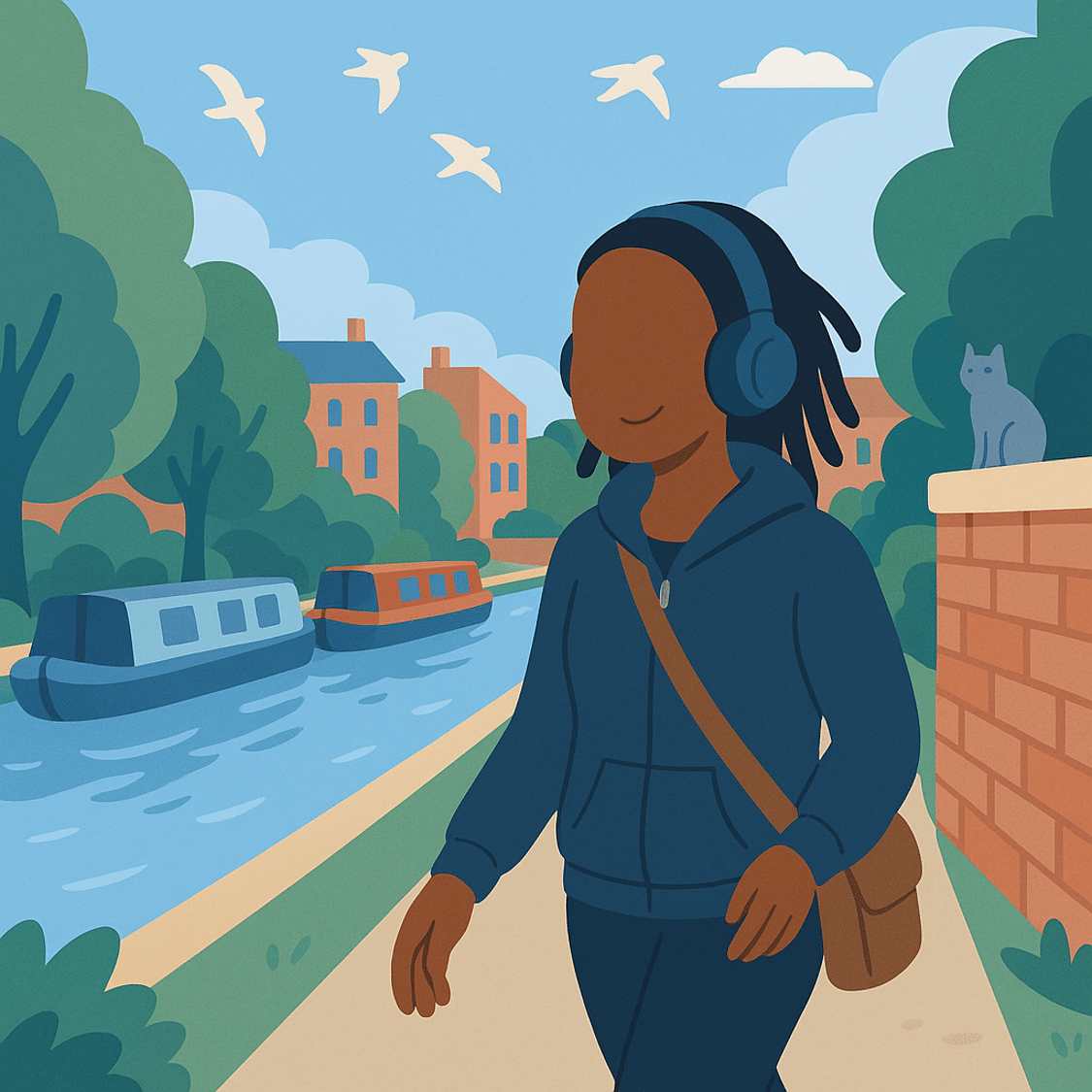
- Fresh air and movement: a short walk outdoors can improve energy and perspective
- Healthy routines: eating balanced meals and going to bed at a consistent time helps stabilise mood
- Social contact: talking with a friend, family member, or colleague can help break the cycle of withdrawal
- Creative outlets: drawing, cooking, or listening to music can spark a sense of enjoyment
- Limiting unhelpful habits: reducing alcohol, caffeine, or endless scrolling can ease mental strain
Even small actions, when repeated, can gradually restore a sense of lightness.
Longer-Term Approaches
If low mood recurs often, building longer-term strategies may help:
- Regular exercise: consistent movement is linked to improved mood and resilience
- Mindfulness or meditation: creating space to pause and observe thoughts helps calm the mind
- Purposeful activities: volunteering, learning, or setting achievable goals can restore a sense of meaning
- Support networks: having people to talk to and lean on reduces isolation
- Boundaries: creating balance between work, rest, and personal time helps prevent emotional depletion
When to Seek Professional Help
It may be time to seek additional support if:
- Your low mood persists for more than two weeks
- Everyday life feels increasingly hard to manage
- You find no enjoyment in activities you once valued
- You experience thoughts of hopelessness, self-harm, or suicide
Professional support such as counselling, therapy, or medical guidance can provide personalised strategies to support recovery.
Moving Forward
Low mood can feel draining, but it does not have to take over your life. By practicing small steps each day, building supportive habits, and reaching out for professional help if needed, it is possible to feel lighter and more energised again. Remember that low mood is part of being human, and support is always available when you need it.
Related Content
 Video
6:03
Video
6:03
9 Little Habits To Have A Better Day
Learn nine simple daily habits to help improve your mood and wellbeing — from gratitude journaling t...
 Video
1:25
Video
1:25
Sleep and mental health | Becca’s Mental Health Story
In this video from Mind, the UK mental health charity, Becca shares her personal experience of how s...
 Podcast
Let's talk about suicide prevention
Byron Vincent shares stories about growing up in poverty, experiencing addiction, violence and attem...
 Video
7:34
Video
7:34
What to do with Anxiety in Your Body
This video teaches practical techniques to calm physical symptoms of anxiety, helping you break the...
 Video
0:57
Video
0:57
Burnout in the UK Workplace (Short)
Bite-sized workplace burnout/fatigue awareness clip.
 Video
3:12
Video
3:12
Are You Living an Insta Lie? Social Media Vs. Reality
Social comparison and “highlight reel” effects