
Movement & Energy
Low Energy Exercise
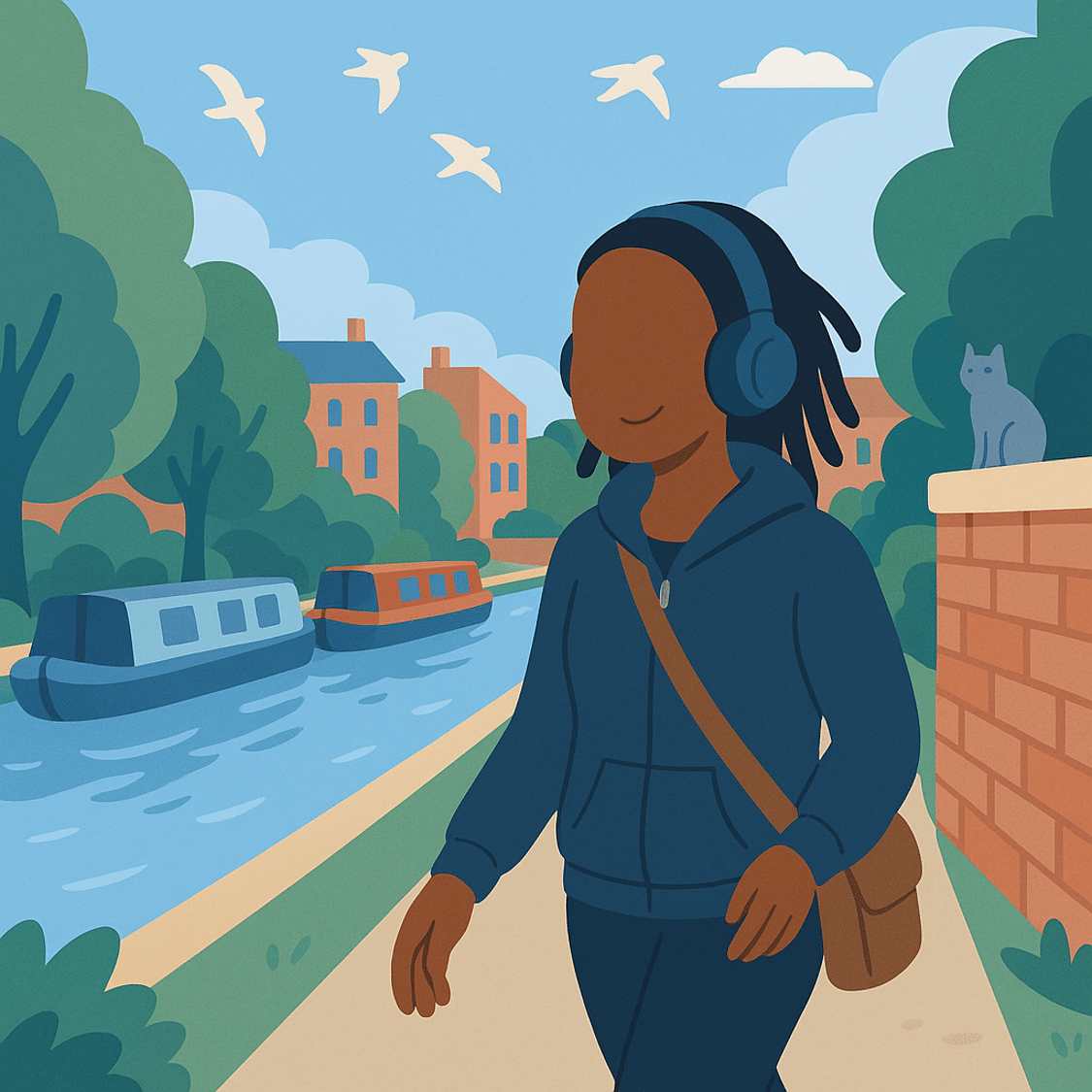
Exercise does not always have to be high intensity to be effective. Low energy or low-intensity exercise can still provide powerful benefits for both body and mind. Activities such as walking, stretching, gentle yoga, or light cycling improve circulation, reduce stress, and help build consistency without overwhelming the body.
What It Feels Like
Low energy exercise supports wellbeing by:
- Providing calm rather than exhaustion
- Improving circulation, digestion, and joint mobility
- Boosting mood and mental clarity without high strain
- Offering accessibility to people recovering from illness, injury, or fatigue
Everyday Tools & Practical Tips
Ways to integrate low energy exercise:
- Walking: aim for short, regular walks throughout the day
- Stretching: build in short stretch breaks between work or household tasks
- Gentle routines: try yoga, tai chi, or Pilates for low-impact strength and balance
- Everyday movement: gardening, cleaning, or light cycling count as beneficial activity
- Listen to your body: focus on how movement feels, not on pushing limits
Longer-Term Approaches
Sustained benefits of low energy exercise:
- Routine: build gentle activity into daily life for ongoing benefits
- Gradual progression: small increases over time build confidence and strength
- Adaptability: low-intensity movement can be adjusted for energy levels or health needs
- Inclusivity: this approach makes activity accessible across ages, abilities, and conditions
- Mind-body connection: slower exercise allows for greater awareness and relaxation
When to Seek Professional Help
Seek guidance if:
- Fatigue, chronic illness, or injury makes even gentle exercise feel difficult
- You want structured support to design a safe, effective movement plan
- Low energy levels persist despite regular activity
Moving Forward
Low energy exercise is a reminder that movement does not need to be intense to make a difference. Gentle, consistent activity supports health, reduces stress, and fosters a positive relationship with exercise.
Related Content
 Podcast
Body image – how we think and feel about our bodies
Frances Shilito, a make up artist to the stars and eating disorders advisor discusses her experience...
 Video
Video
Newly diagnosed with Parkinson's
Support for people newly diagnosed.
 Video
Video
How to Stop Racing Thoughts at Night
Eckhart Tolle explains how to manage racing thoughts by shifting attention to breath and bodily awar...
 Video
Video
Emotional Eating - How to Replace Emotional Eating with Emotion Processing and Intuitive Eating
Therapist Emma McAdam explains how to overcome emotional eating by learning to process emotions dire...
 Video
Video
How To Eat For Optimal Energy, According To A Dietitian
Dietitian Tracy Lockwood Beckerman shares foods and eating habits that boost energy throughout the d...
 Video
Video
Garden Routine with Bill Bailey
Adaptable movement routine.