
Emotional Lows
Clinical Depression
Clinical depression, also known as major depressive disorder, is a serious mental health condition that goes beyond temporary sadness or low mood. It can affect how you feel, think, and function in daily life. Clinical depression is common and treatable, and recognising its signs is an important step in seeking the right help and support.
What It Feels Like
Clinical depression may include a wide range of symptoms:
- Physical signs: changes in sleep or appetite, fatigue, or unexplained physical aches and pains
- Mental signs: difficulty concentrating, indecisiveness, or ongoing negative thoughts
- Emotional signs: persistent sadness, emptiness, hopelessness, or loss of interest in previously enjoyed activities
Symptoms typically last for at least two weeks or longer and can significantly disrupt work, relationships, and overall wellbeing.
Everyday Tools & Practical Tips
While clinical depression requires professional care, there are small steps that can provide support day to day:
- Routine: keeping a daily structure can help provide stability
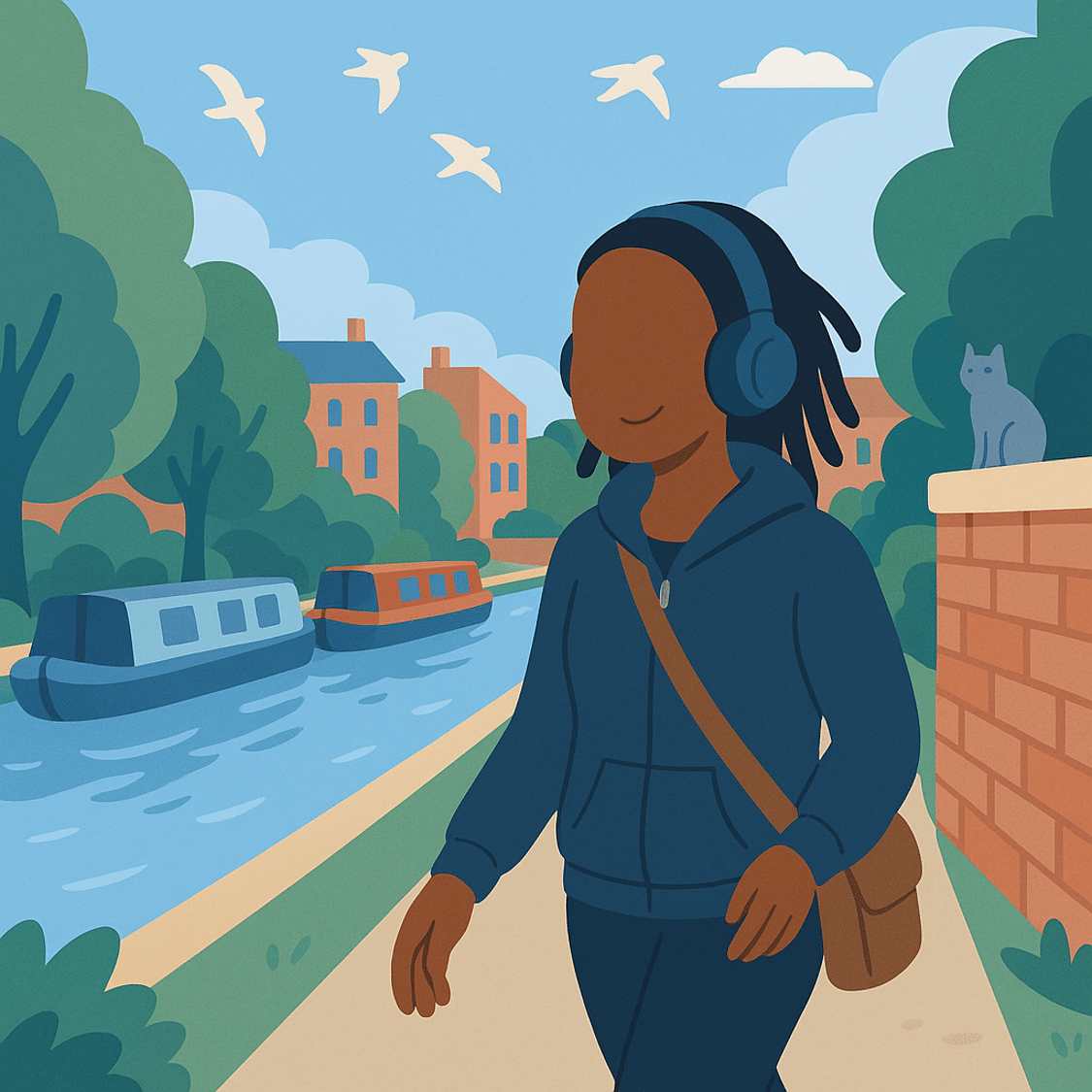
- Movement: gentle activity, even short walks, can ease symptoms
- Nutrition and rest: balanced meals and quality sleep support overall wellbeing
- Social contact: reaching out to trusted people helps reduce isolation
- Self-kindness: practising compassion toward yourself counters the harsh self-criticism depression can bring
Longer-Term Approaches
Treatment and ongoing strategies are important in managing clinical depression:
- Therapy: evidence-based approaches like cognitive behavioural therapy (CBT) can be effective
- Medication: prescribed by a GP or psychiatrist, medication can help regulate mood
- Support networks: staying connected with family, friends, or peer groups reduces isolation
- Lifestyle: ongoing focus on rest, exercise, and balanced nutrition supports mental health
- Relapse planning: identifying early warning signs helps prevent future episodes
When to Seek Professional Help
It is important to seek help if:
- Low mood and symptoms last for more than two weeks
- Daily life, work, or relationships are significantly affected
- You feel unable to cope or function day to day
- You experience thoughts of self-harm or suicide
Speaking to a GP, counsellor, or psychiatrist is an important step. Clinical depression is treatable, and professional support is essential.
Moving Forward
Living with clinical depression can be difficult, but recovery is possible. With professional care, healthy routines, and the right support, many people manage symptoms and lead fulfilling lives. Seeking help is a sign of strength, and no one needs to face depression alone.
Related Content
 Video
6:03
Video
6:03
9 Little Habits To Have A Better Day
Learn nine simple daily habits to help improve your mood and wellbeing — from gratitude journaling t...
 Video
1:25
Video
1:25
Sleep and mental health | Becca’s Mental Health Story
In this video from Mind, the UK mental health charity, Becca shares her personal experience of how s...
 Podcast
Let's talk about suicide prevention
Byron Vincent shares stories about growing up in poverty, experiencing addiction, violence and attem...
 Video
7:34
Video
7:34
What to do with Anxiety in Your Body
This video teaches practical techniques to calm physical symptoms of anxiety, helping you break the...
 Video
0:57
Video
0:57
Burnout in the UK Workplace (Short)
Bite-sized workplace burnout/fatigue awareness clip.
 Video
3:12
Video
3:12
Are You Living an Insta Lie? Social Media Vs. Reality
Social comparison and “highlight reel” effects