
Crisis & Trauma
Protecting Children & Vulnerable Individuals in a Crisis
Children, older adults, and people with disabilities may have different needs in emergencies. Protection is about planning ahead, acting early, and communicating clearly. When we design responses that assume varied abilities, we keep more people safe.
What It Feels Like
Carers and staff often describe heightened responsibility and fear of missing something important. Children and vulnerable adults may show distress in different ways: clinginess, silence, agitation, or regression. Predictable routines, simple language, and steady reassurance help everyone do better under stress.
Everyday Tools & Practical Steps
- Put protection first - in evacuations or lockdowns, assign helpers to those who need assistance. Create buddy systems and backups.
- Prepare go-bags - include medication lists, spare doses where possible, comfort items, noise-reducing headphones, snacks, water, wipes, and a small toy or activity.
- Use simple scripts - "We are going to a safe place now. We will stay together. I will tell you what happens next."
- Identification - use wristbands or cards with names, key contacts, allergies, and communication needs. Store digital copies securely.
- Sensory and mobility planning - map quiet routes, ramps, lifts, accessible toilets, and resting spots. Consider how sirens, bright lights, or crowds may affect people.
- Medication and equipment - keep backup chargers, batteries, or adapters for medical or communication devices.
- Record keeping - document who is with whom, where people move to, and any handovers to professionals.
Longer-Term Approaches
- Safeguarding training - ensure carers and staff understand signs of distress, consent, confidentiality, and how to escalate concerns.
- Individual plans - create brief emergency plans for those with higher needs and share with relevant adults.
- Multi-agency links - build relationships with schools, social care, health providers, and community groups before a crisis occurs.
- Psychological support - some children and vulnerable adults benefit from trauma-informed therapy or specialist services after events.
- Review practices - after exercises or incidents, adjust plans using feedback from those directly affected.
When to Seek Professional Help
- If a child or vulnerable person shows sustained regression, persistent nightmares, self-harm, or high-risk behavior.
- If you suspect abuse or ongoing danger. Follow your local safeguarding procedures immediately.
- If care needs exceed the capacity of available carers.
Wellbeing Solutions can help with signposting and guidance, but follow local laws and safeguarding policies for urgent risks.
Moving Forward
Protection is most effective when it is routine, not exceptional. Small, thoughtful preparations and inclusive design make crises easier to navigate and ensure that the people who rely on us are kept safe, informed, and together.
Related Content
 Video
Video
Communicating Grief
Explains complex emotions including guilt after loss.
 Video
Video
Addiction to alcohol: Support from Change Grow Live
Explains how CGL can support people worried about alcohol use and dependence.
 Video
Video
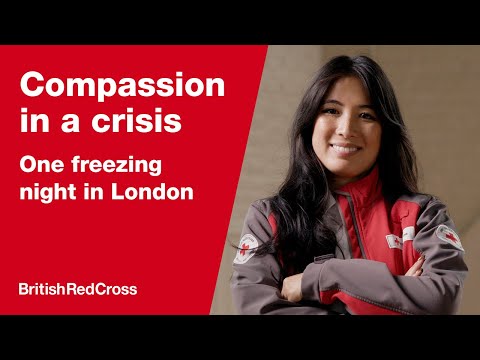
Compassion in a Crisis
Through a story of one freezing night in London, this short film shows how small acts—warmth, clothi...
 Video
Video
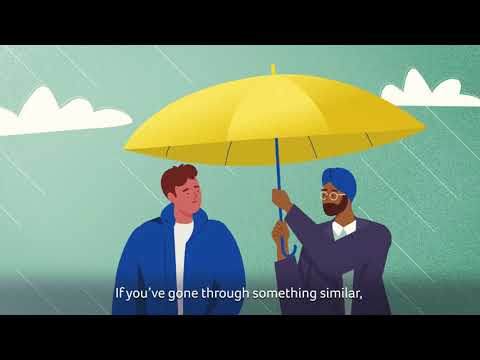
Explaining "grief brain" to others (and to yourself)
Normalises confusion, memory issues and emotional overwhelm—often heightened when relationships were...
 Video
Video
Bereavement At Work
Workplace-focused animation on grief at work and how colleagues/managers can respond supportively.
 Video
Video
Understanding Addiction — Alcohol
Focused on addiction, it can tie it into financial wellbeing by explaining how addiction impacts fin...