
Neurodiversity
Neurodivergence & Mental Health
Neurodivergent people experience higher rates of anxiety, depression, and burnout - often because environments are not designed with their needs in mind. Chronic masking, sensory overload, social misunderstandings, and executive-function demands can drain the "body budget," leaving little capacity for rest or joy. Addressing mental health alongside neurodiversity means adapting contexts, not only individuals.
What It Feels Like
- Anxiety - constant scanning for social rules, errors, or sensory threats
- Depression - exhaustion from long-term masking or repeated invalidation
- Burnout - extended periods of shutdown, withdrawal, or loss of skills
- Rejection sensitivity - strong reactions to perceived criticism or exclusion
- Sleep disruption - racing thoughts, delayed sleep, or irregular circadian rhythms
Everyday Tools & Practical Tips
- Capacity-first planning - reduce total load rather than pushing harder
- Nervous system care - breath work, rhythmic movement, weighted blankets, or paced audio
- Gentle exposure - build tolerance to tasks with small, time-limited steps
- Information hygiene - limit doomscrolling and curate supportive media
- Social energy budgeting - schedule recovery time after meetings or events
- Crisis plan - list early warning signs and pre-agreed supports
- Peer validation - spaces where you do not need to mask can rapidly reduce symptoms
- EAP - Wellbeing Solutions’ EAP can coordinate counselling and workplace adjustments
Longer-Term Approaches
- Neuro-affirming therapy - CBT or ACT adapted for literal thinking, sensory needs, and executive support
- Occupational therapy - practical strategies for sensory integration and daily living
- Sleep optimisation - consistent routines, light management, and professional input
- Skills scaffolding - externalise tasks with calendars, shared boards, and reminders
- Environmental change - seek roles, teams, or schedules that respect your rhythms
When to Seek Professional Help
- Persistent anxiety, low mood, or shutdowns affect functioning
- Self-harm thoughts or suicidal ideation occur
- Burnout does not improve with rest and reasonable adjustments
Moving Forward
Mental health improves when needs are understood and met. By addressing load, reducing masking, and building supportive environments, neurodivergent people can recover energy and sustain wellbeing.
Related Content
 Video
Video
Communicating Grief
Explains complex emotions including guilt after loss.
 Video
Video
Addiction to alcohol: Support from Change Grow Live
Explains how CGL can support people worried about alcohol use and dependence.
 Video
Video
Compassion in a Crisis
Through a story of one freezing night in London, this short film shows how small acts—warmth, clothi...
 Video
Video
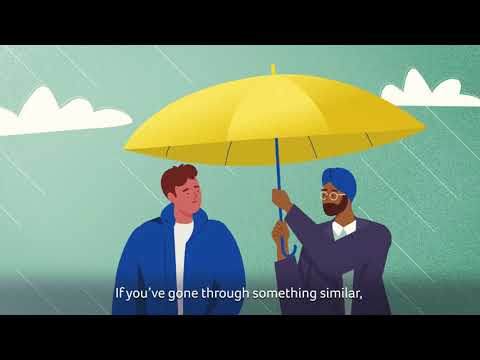
Explaining "grief brain" to others (and to yourself)
Normalises confusion, memory issues and emotional overwhelm—often heightened when relationships were...
 Video
Video
Bereavement At Work
Workplace-focused animation on grief at work and how colleagues/managers can respond supportively.
 Video
Video
Understanding Addiction — Alcohol
Focused on addiction, it can tie it into financial wellbeing by explaining how addiction impacts fin...