Neurodiversity
Masking & Camouflaging
Masking is the effort to hide or suppress neurodivergent traits to fit expected norms - copying social cues, suppressing stims, forcing eye contact, or pushing through sensory pain. Masking may reduce short-term conflict, but long-term it can lead to burnout, identity confusion, and mental health difficulties. Moving toward authentic expression is a gradual process of safety, support, and boundaries.
What It Feels Like
- Constant performance - rehearsing scripts, monitoring body language, scanning for errors
- Sensory hangover - headaches, fatigue, or shutdown after social effort
- Identity blur - not knowing where the mask ends and you begin
- Safety trade-offs - choosing discomfort to avoid judgement
- Relief and fear - feeling better when unmasked, but worried about consequences
Everyday Tools & Practical Tips
- Safe spaces - identify people and places where you can unmask without penalty
- Micro-unmasking - allow small authentic behaviours like stimming, preferred posture, or natural speech pace
- Communication scripts - explain needs clearly: "I focus best with cameras off" or "I will write a summary after the meeting"
- Energy accounting - reduce total masking time by shortening meetings or using asynchronous communication
- Sensory supports - noise-cancelling, sunglasses, clothing that calms the body
- Decompression - schedule recovery time after high-mask activities
- Boundaries - decline events that require heavy masking when possible
- EAP - Wellbeing Solutions’ EAP can support disclosure planning and boundary-setting at work
Longer-Term Approaches
- Identity work - therapy or peer spaces to explore who you are without the mask
- Environmental change - seek roles, teams, or communities where authenticity is welcomed
- Skill alignment - choose tasks that draw on strengths to reduce masking demand
- Relationship recalibration - invite people to meet you where you are, with clear agreements
- Advocacy - help shift culture so fewer people feel forced to mask
When to Seek Professional Help
- Burnout, shutdowns, or depression linked to prolonged masking
- Fear of rejection prevents any authentic expression
- You need guidance planning safe disclosure and boundaries
Moving Forward
Masking develops as a survival strategy in non-inclusive environments. You deserve spaces where you can be yourself. With support and gradual change, you can reduce masking, protect energy, and live with greater authenticity.
Related Content
 Video
Video
Communicating Grief
Explains complex emotions including guilt after loss.
 Video
Video
Addiction to alcohol: Support from Change Grow Live
Explains how CGL can support people worried about alcohol use and dependence.
 Video
Video
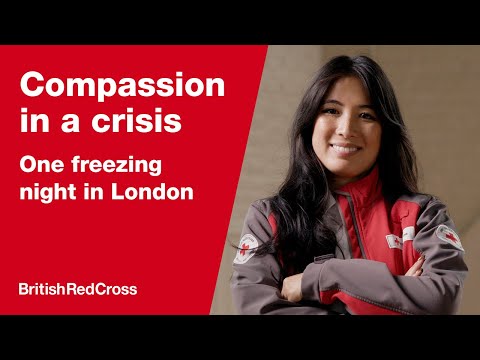
Compassion in a Crisis
Through a story of one freezing night in London, this short film shows how small acts—warmth, clothi...
 Video
Video
Explaining "grief brain" to others (and to yourself)
Normalises confusion, memory issues and emotional overwhelm—often heightened when relationships were...
 Video
Video
Bereavement At Work
Workplace-focused animation on grief at work and how colleagues/managers can respond supportively.
 Video
Video
Understanding Addiction — Alcohol
Focused on addiction, it can tie it into financial wellbeing by explaining how addiction impacts fin...