
Self Harm
Managing Triggers
Triggers are situations, sensations, or experiences that spark intense emotional or physical reactions, often linked to past trauma, stress, or mental health conditions. While triggers can feel sudden and overwhelming, learning to recognise and manage them can help you regain control and reduce their impact over time.
Crisis Notice
If a trigger leads to overwhelming distress or risk of self-harm, contact emergency services or a crisis hotline immediately.
What It Feels Like
Triggers can affect people in many ways:
- Physical signs: racing heartbeat, sweating, shaking, or feeling faint
- Mental signs: flashbacks, racing thoughts, or intrusive memories
- Emotional signs: panic, anger, sadness, or fear that feels disproportionate to the situation
Triggers can leave you feeling unsafe or out of control, even in otherwise normal situations.
Everyday Tools & Practical Tips
Practical strategies to manage triggers include:
- Awareness: learn to identify your personal triggers and early warning signs
- Grounding: focus on breathing, sensory experiences, or naming things around you to stay present
- Exit strategy: if possible, remove yourself from triggering environments until you feel calmer
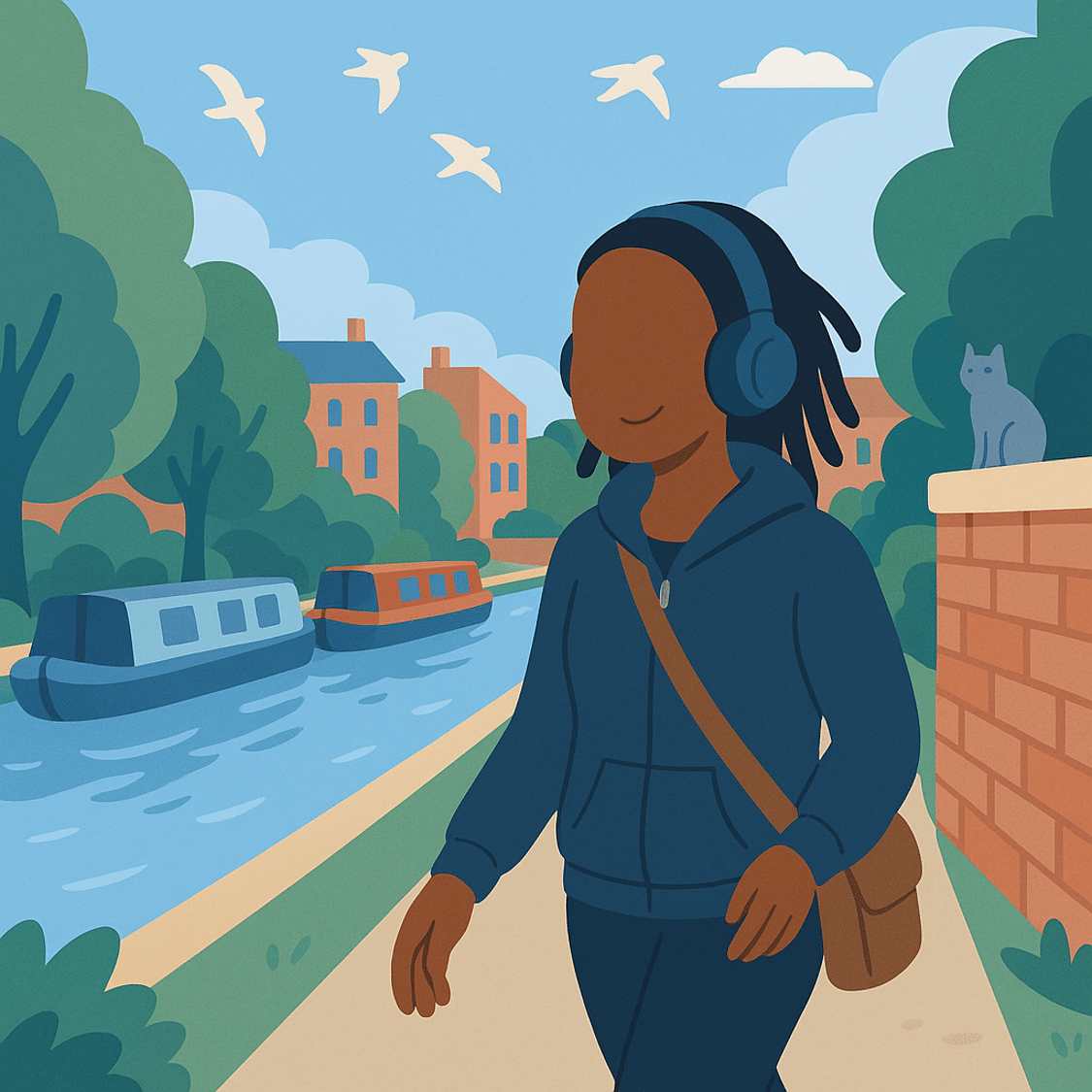
- Calming routines: use relaxation practices such as stretching, mindfulness, or listening to soothing music
- Communicate: share with trusted people what triggers you and how they can support you
Longer-Term Approaches
Over time, strategies to reduce the impact of triggers include:
- Therapy: trauma-informed approaches like CBT or EMDR can help process and reduce trigger responses
- Safety planning: create a step-by-step plan for managing triggers in high-risk situations
- Exposure work: with professional guidance, gradual exposure to triggers can reduce their intensity
- Support networks: peer or support groups provide shared understanding and tools
- Lifestyle balance: consistent sleep, exercise, and nutrition improve overall resilience
When to Seek Professional Help
Seek support if:
- Triggers frequently disrupt your daily life, work, or relationships
- Reactions feel unmanageable or unsafe
- Triggers are connected with traumatic experiences that remain unresolved
- You feel unable to cope without harmful behaviours
Moving Forward
Managing triggers takes time, practice, and compassion. With coping tools, supportive people, and professional guidance, it is possible to reduce their power and regain a sense of safety and control in your life.
Related Content
 Video
6:03
Video
6:03
9 Little Habits To Have A Better Day
Learn nine simple daily habits to help improve your mood and wellbeing — from gratitude journaling t...
 Video
1:25
Video
1:25
Sleep and mental health | Becca’s Mental Health Story
In this video from Mind, the UK mental health charity, Becca shares her personal experience of how s...
 Podcast
Let's talk about suicide prevention
Byron Vincent shares stories about growing up in poverty, experiencing addiction, violence and attem...
 Video
7:34
Video
7:34
What to do with Anxiety in Your Body
This video teaches practical techniques to calm physical symptoms of anxiety, helping you break the...
 Video
0:57
Video
0:57
Burnout in the UK Workplace (Short)
Bite-sized workplace burnout/fatigue awareness clip.
 Video
3:12
Video
3:12
Are You Living an Insta Lie? Social Media Vs. Reality
Social comparison and “highlight reel” effects